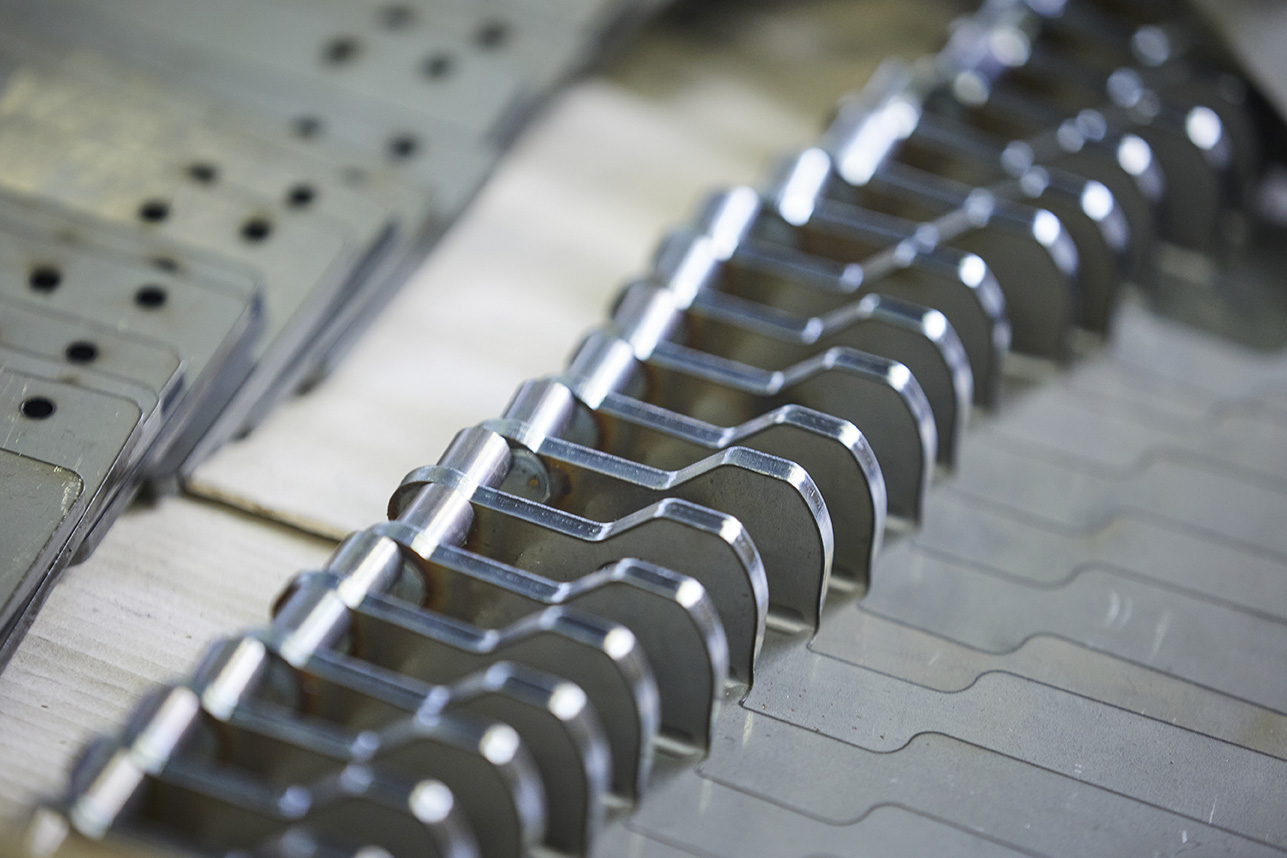
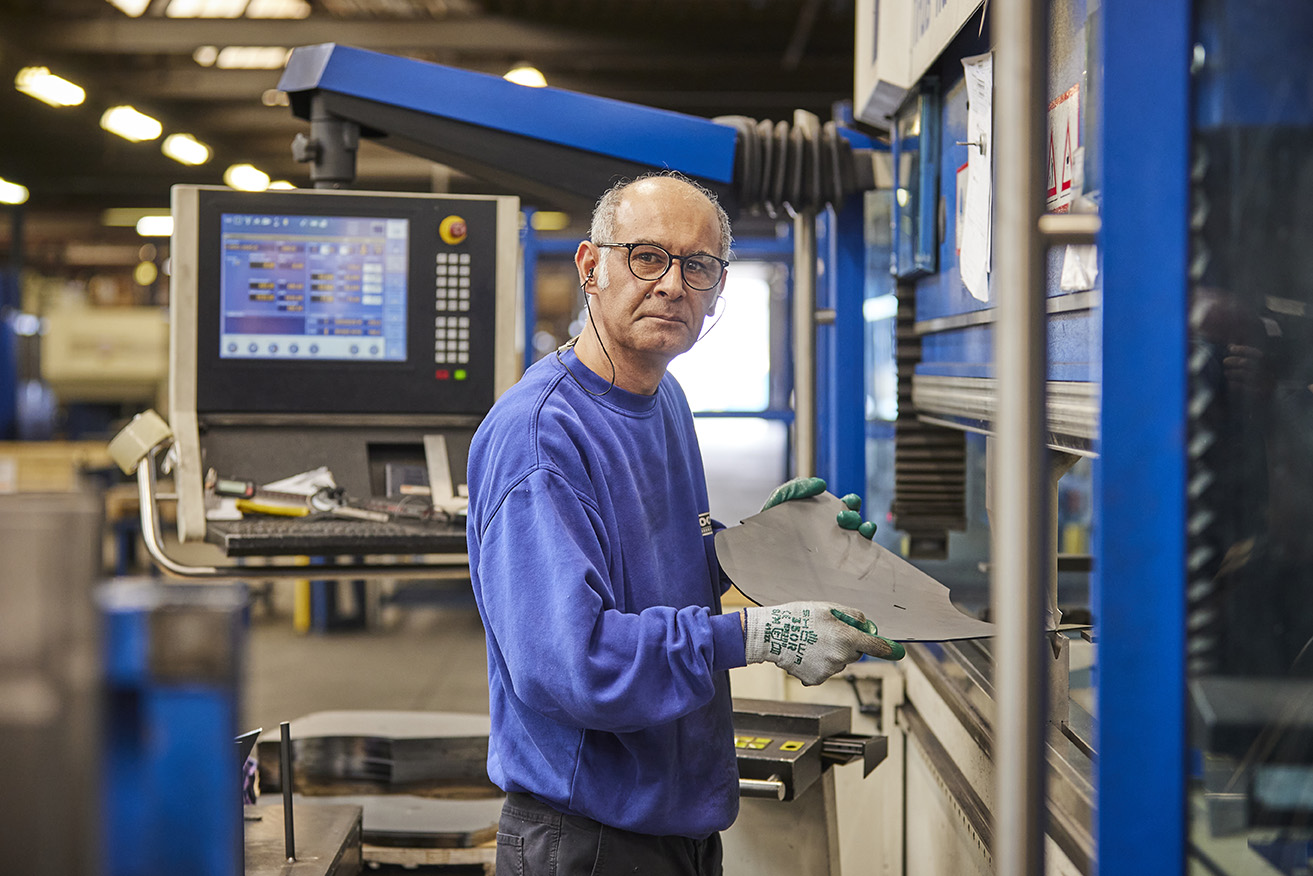
Laser cutting

Sheet metal parts that arrive for welding on time and to specification

For welded assemblies in series production, the challenge is rarely the cutting itself. The question is whether cut parts arrive for bending and welding on time, complete, and within tolerances. If these processes are handled by different suppliers, every transfer costs extra lead time and coordination. A deviation often only becomes visible when the part needs to be welded.

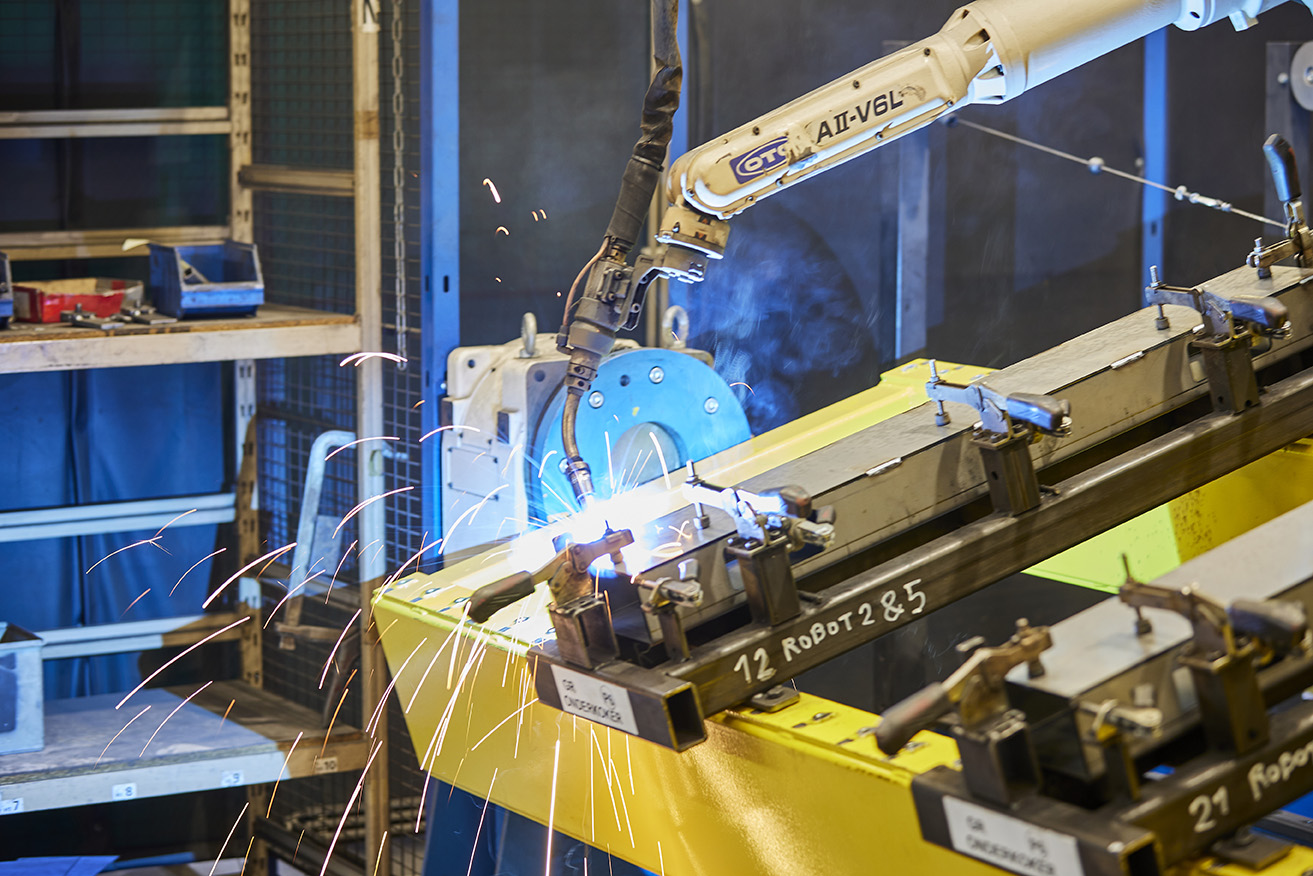
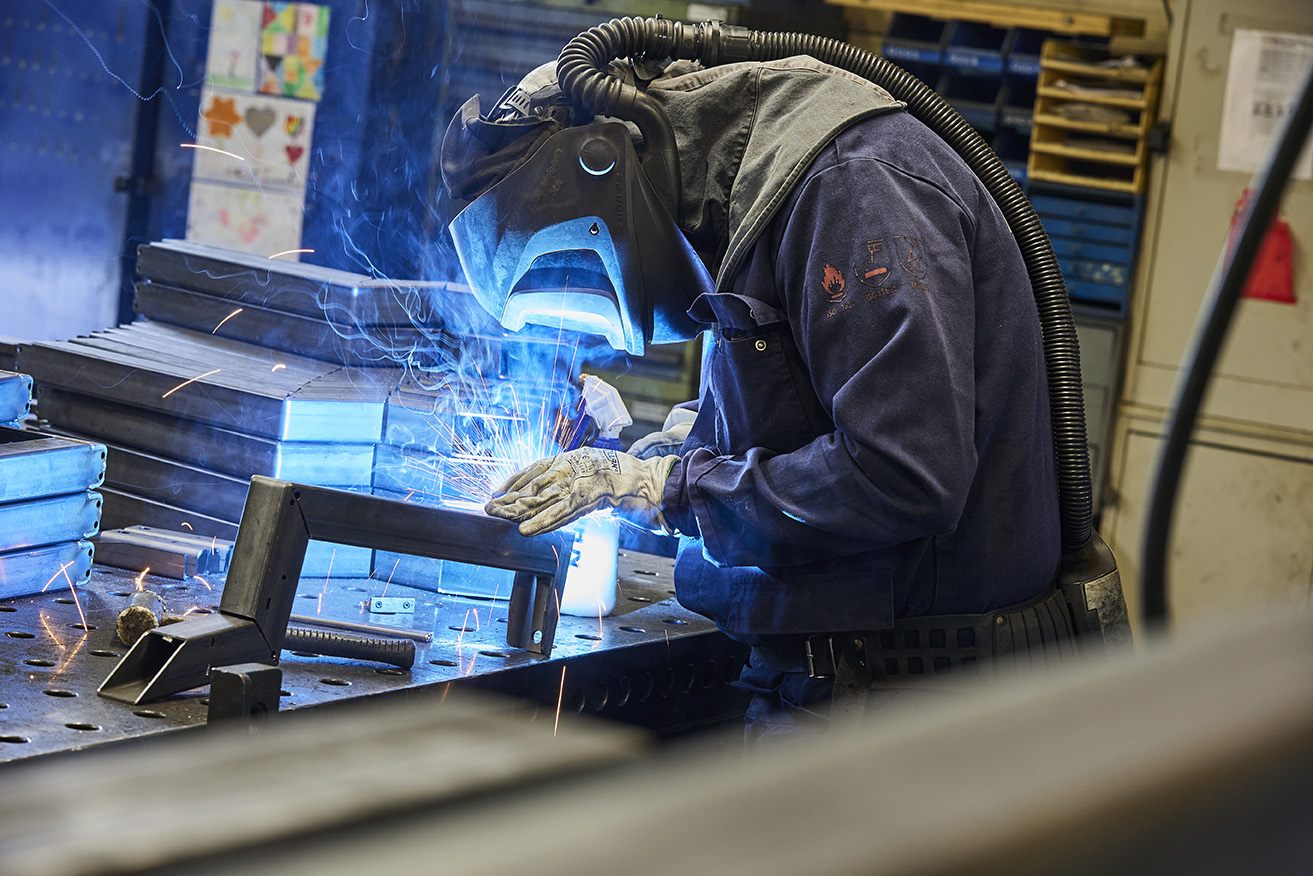
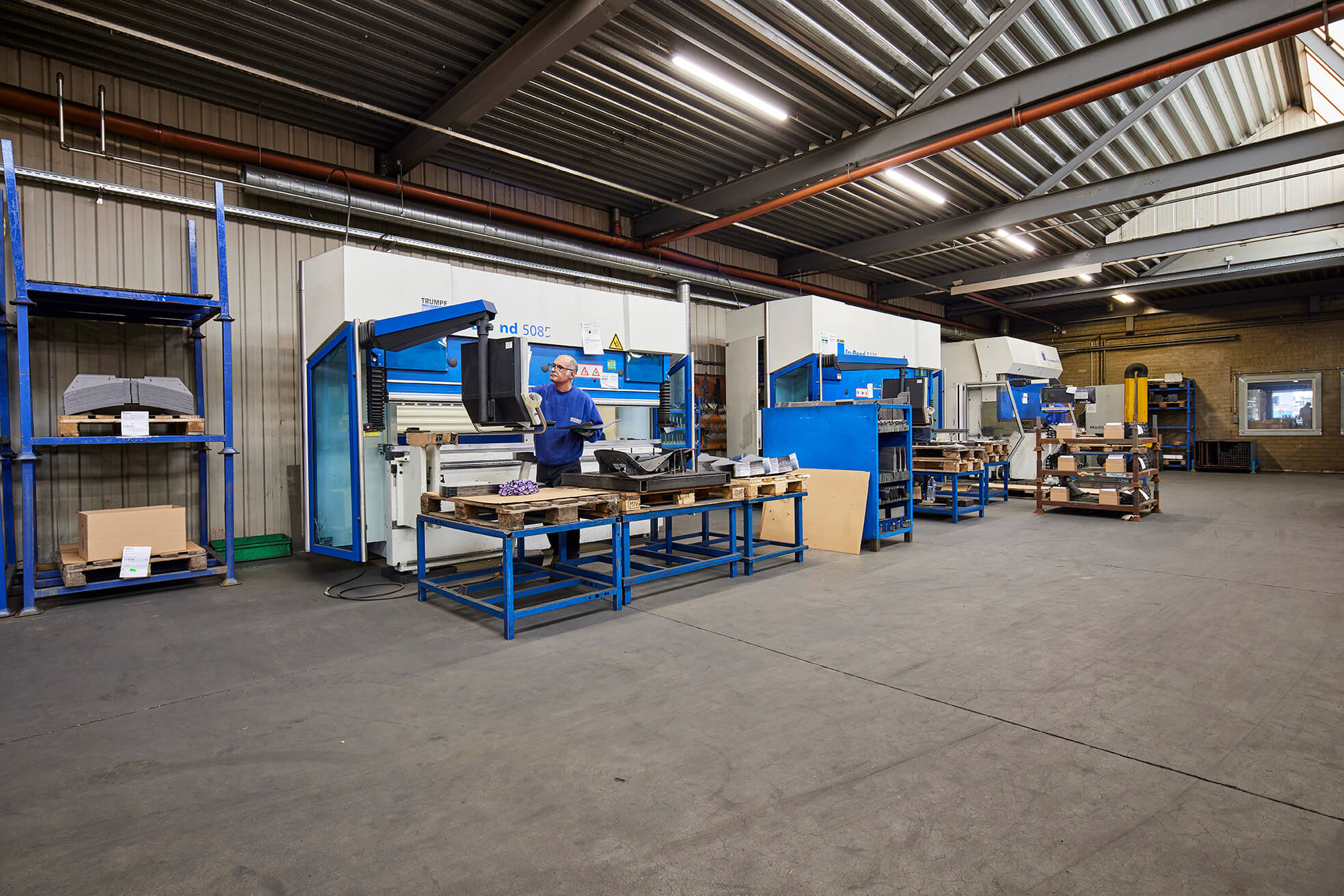
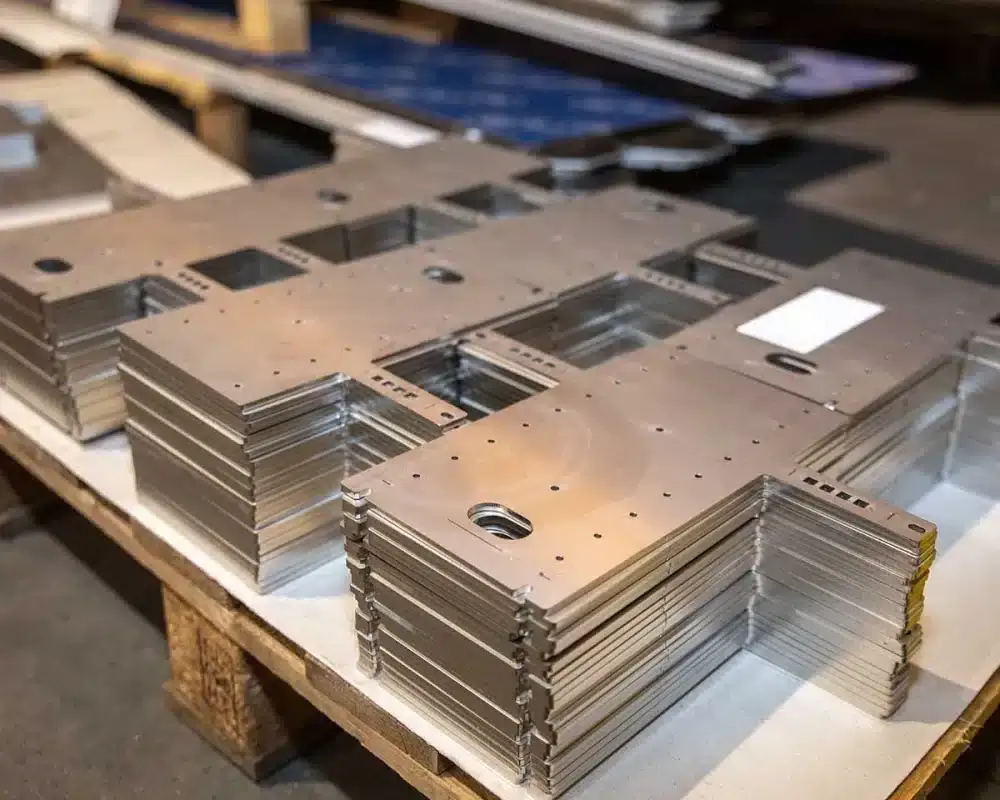
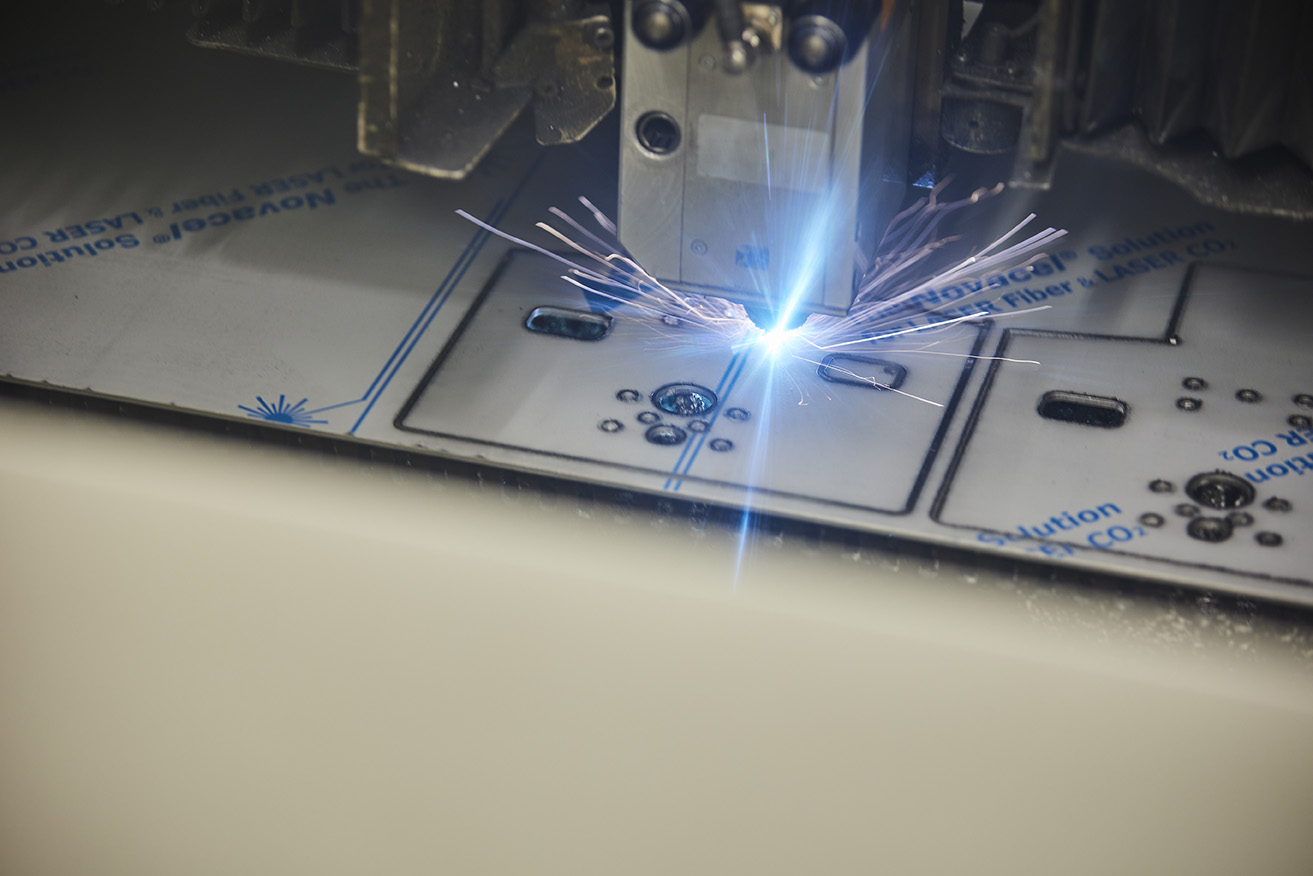
Roosen organizes laser cutting, bending, and welding as a single sheet metal route within one company in Belgium. We cut steel, stainless steel, and aluminum on two CNC-controlled laser cutting machines with automatic sheet loading. We coordinate cutting schedules, bending sequences, and welding plans so that cut parts proceed to the next process without intermediate links.

When the route is right

Laser cutting designed for series sheet metal work

  • Cutting for the next step

    Flat patterns and contours are coordinated with the subsequent bending and welding processes.

  • A single sheet metal route

    Cutting, bending, and welding within one company and under one schedule.

  • Automated cutting capacity

    Two CNC-controlled laser cutting machines with automatic sheet loading.

  • From NPI to series

    A prototype or pre-series as the basis for a continuous production flow.

Your starting situation

Where is your sheet metal production getting stuck?

How Roosen helps

At Roosen, laser cutting, bending, and welding fall within one company and under one schedule. Cut parts proceed to the bending and welding shops without transport or intermediate links. This way, a single coordinated route determines the lead time of the assembly, rather than the slowest supplier.

How Roosen helps

We cut with the next process in mind. Our engineers coordinate the flat pattern, bending sequence, and weld preparation in advance and document them for the series. Should a deviation occur, it is fed back within the same company to the step where it originated.

How Roosen helps

We collect drawings, specifications, and available practical knowledge and check them for completeness and accuracy. We identify missing information before production starts. We then validate the entire route with a prototype or pre-series, ensuring the transfer takes place on a controlled basis.

How Roosen helps

We handle every new product as a New Product Introduction. We assess manufacturability, define the route from cutting to welding, and validate it in a prototype or pre-series. Once released, this serves as the reference for every subsequent series.

How Roosen helps

We handle every new product as a New Product Introduction. We assess manufacturability, define the route from cutting to welding, and validate it in a prototype or pre-series. Once released, this serves as the reference for every subsequent series.

How Roosen helps

We handle every new product as a New Product Introduction. We assess manufacturability, define the route from cutting to welding, and validate it in a prototype or pre-series. Once released, this serves as the reference for every subsequent series.

How Roosen helps

We handle every new product as a New Product Introduction. We assess manufacturability, define the route from cutting to welding, and validate it in a prototype or pre-series. Once released, this serves as the reference for every subsequent series.

How Roosen helps

We handle every new product as a New Product Introduction. We assess manufacturability, define the route from cutting to welding, and validate it in a prototype or pre-series. Once released, this serves as the reference for every subsequent series.

scaling up

Scaling up requires a chain that grows as a whole

If the demand for a welded assembly grows, it's not just the welding that must grow. Cutting and bending must also be able to follow that pace. If these steps are with different suppliers, the link with the least capacity determines how fast the entire chain can scale. In a region where capacity is scarce, this becomes a strategic issue.

Roosen helps
Because cutting, bending, and welding take place within one company, we plan capacity for the entire route rather than per process. The cutting capacity is automated and can therefore adapt to the demands of the bending and welding shops. Through periodic contact regarding your expected volumes, we adjust capacity in a timely manner.

What this delivers
A sheet metal route that can grow with your forecast, without every volume increase requiring new coordination between suppliers.

Suitable for, among others

  • sheet metal parts for robotic welded assemblies
  • frames and structures for machines and modules
  • bent parts with a defined flat pattern
  • repetitive series with a stable consumption pattern
  • sheet metal requiring post-treatment before delivery

Cutting for the next step

Dimensioning that makes bending and welding predictable

A laser-cut part is rarely a finished product. The flat pattern determines whether the part is to size after bending, and the contour of the weld seam determines whether the part can be joined reproducibly. A welding robot works from a programmed path. Therefore, every cut part must fall within the same margins.

Our engineers therefore assess with you whether the sheet metal parts are suitable for laser cutting, and how the flat pattern, bending sequence, and weld preparation align. Where a drawing is not yet fully developed, they contribute ideas on the manufacturability of the assembly as a whole.

  • assessment of suitability per sheet metal part
  • flat pattern coordinated with the bending process
  • contours coordinated with weld preparation
  • design for manufacturability by our own engineers

Automated and series-oriented

Cutting capacity that can follow your call-offs

In series sheet metal work, call-offs rarely change exactly according to plan. Cutting capacity that is only available during working hours makes the chain sensitive to every shift. Both of Roosen's laser cutting machines are CNC-controlled and equipped with automatic sheet loading. This allows production to continue unmanned outside of working hours, and the cutting schedule can be adjusted to changes in your call-offs.

Every new product starts with a prototype or pre-series. After release, the focus is on repetitive series production, ensuring production continues steadily and lead times remain predictable.

  • two CNC-controlled laser cutting machines
  • automatic sheet loading
  • unmanned production outside working hours
  • NPI with prototype or pre-series
  • scaling up within a defined process

From supplier to production partner

One organization from cut sheet to welded assembly

When cutting, bending, welding, and post-treatment are handled by different parties, the management remains with you. You coordinate schedules, monitor transfers, and resolve deviations between suppliers who each only oversee their own step.

Roosen takes over that coordination. Laser cutting, bending, and welding take place within one company in Belgium. The majority of the sheet metal leaves Roosen as a complete welded assembly. Frames and structures can also proceed to Roosen’s mechatronic assembly in the Netherlands. If post-treatment is required, we include it in the same route via an external partner. This means you are not choosing a separate cutting supplier, but a sheet metal route under one management, with a single point of contact.

  • laser cutting, bending, and welding within one company
  • delivery to mechatronic assembly
  • post-treatment via external partners
  • one point of contact, regardless of expertise or country
From drawing to series

How we bring your sheet metal into series production in a controlled manner

Verify product information

We check drawings, material, sheet thickness, and critical dimensions for completeness and accuracy. We identify missing or contradictory information before it leads to delays later on.
Result: A verified drawing package as the basis for cutting, bending, and welding.

Assess manufacturability

Our engineers assess the suitability of each sheet metal part for laser cutting and coordinate the flat pattern, bending sequence, and weld preparation.
Result: A sheet metal route that is coordinated as a whole.

Produce prototype or pre-series

The first product follows the same route as the series. This allows us to validate not only the parts but also the transition between processes.
Result: An approved reference for the series.

Start and scale series production

The series starts according to the agreed quantities and delivery schedule. Based on your forecast and periodic consultations, we adjust capacity in a timely manner.
Result: A continuous production flow that can grow in a controlled manner.

Clarity first on requirements, process, and results

Frequently Asked Questions

The deciding factor is whether the cutting work is part of a repetitive sheet metal route. A production order can consist of dozens to thousands of units. Over a year, this typically involves 100 to 10,000 units. Single items and one-off orders fall outside the order profile.

The deciding factor is the position of the cutting work in your production chain. Laser cutting is set up as the first step toward bending and welding within Roosen. Sheet metal parts that are further bent, welded, or included in an assembly are therefore the best fit. Standalone cutting orders are less compatible.

Roosen cuts steel up to 20 millimeters, stainless steel and aluminum up to 10 millimeters. We assess whether your sheet metal parts are suitable on a per-product basis.

The difference lies mainly in lead time and coordination. There are no transport steps between suppliers, the processes fall under one schedule, and deviations are fed back within the same organization.

That depends on the phase the design is in. Typically, you provide the drawings yourself. Our engineers contribute ideas on the manufacturability of cutting, bending, and welding and can support further development. You remain the owner of the design.

That depends on the desired treatment. Post-treatments are performed by external partners. Roosen manages that process and includes it in the same production route.

The deciding factor is the next step your product goes through. Within the group, frames and structures can be included in mechatronic modules that are assembled and tested in the Netherlands. Where necessary, these are supplemented with machined parts from our own production.

The deciding factor is how predictable the extra demand is. An increase known in advance is easiest to schedule. Because the cutting process is defined after release, extra volume mainly requires coordination of the schedule across cutting, bending, and welding.

Present your sheet metal challenge to us

Which assembly needs to be produced stably in series?

CTA

What challenges are you facing?

Prefer to discuss your requirements directly? Call us at +31(0)497 517 171.