CNC bending

Serial bending for weldments that need to scale up

As the volumes of a weldment grow, bending often becomes the bottleneck in planning. Smaller sheet metal companies are rarely equipped for serial production. If cutting, bending, and welding are handled by different suppliers, every increase in volume also increases the number of transfers, lead times, and the risk of parts not fitting the welding jig.

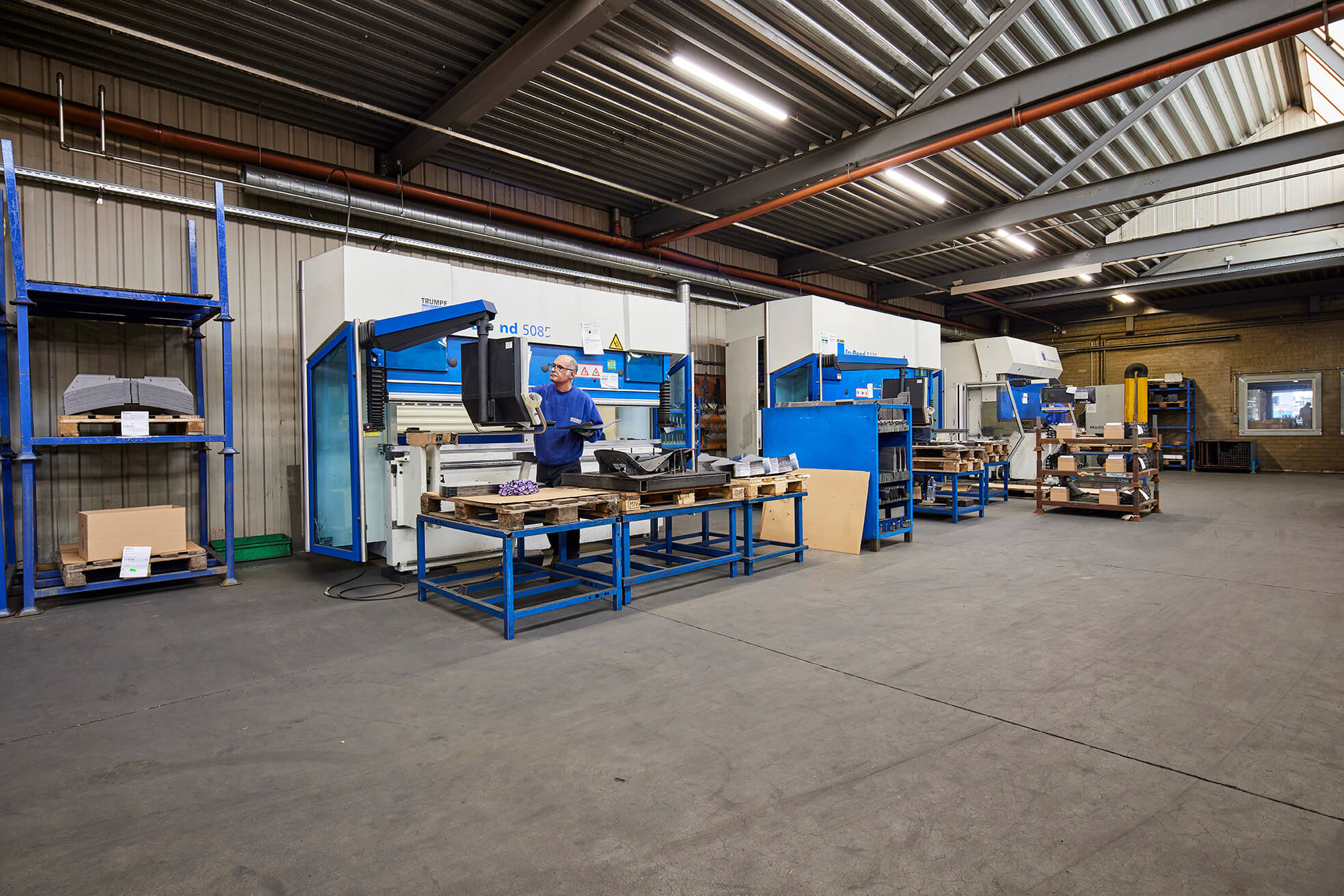
Roosen bends sheet metal in steel, aluminum, and stainless steel in series, within the same facility in Belgium where laser cutting and welding also take place. We treat bending as the vital link between cutting and welding. This keeps the route from sheet to weldment manageable and allows it to grow in a controlled manner alongside your forecast.

When the chain is right

Bending geared towards the next process step

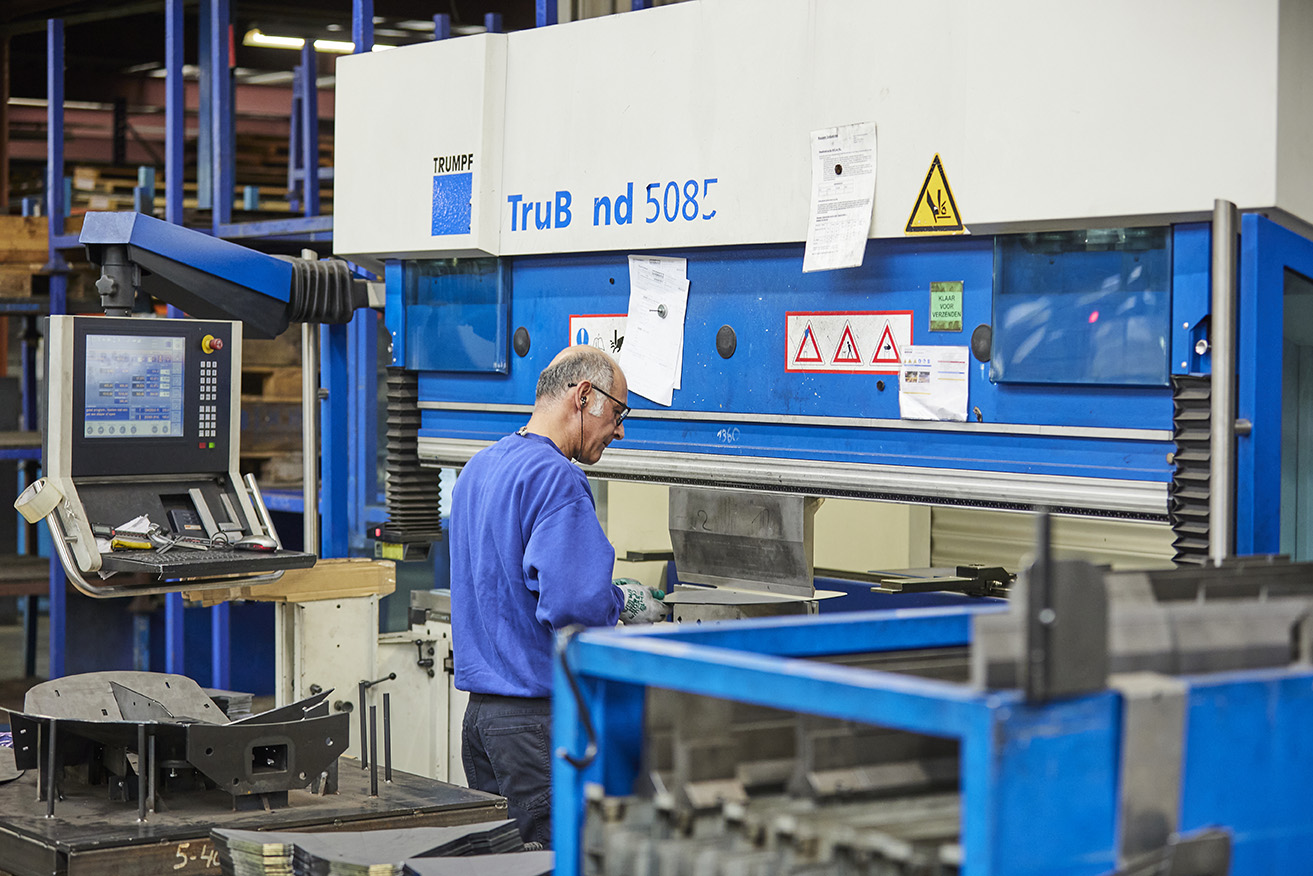
  • Six press brakes in various sizes

    From smaller sheet metal parts to larger components for frames and structures.

  • Cutting, bending, and welding under one roof

    The sheet metal is produced entirely within one company, without transfers between suppliers.

  • Manufacturability assessed in advance

    Our own engineers test your drawing for bendability and weldability before the series starts.

  • Surface treatment in the same route

    Where bending requires surface treatment, we include it in the planning via an external partner and manage the entire process.

Your starting situation

Not every bending challenge starts at the same moment

How Roosen helps

Roosen sets up the bending process for recurring series, within the same company where cutting and welding also take place. We align capacity with your forecast. If demand increases, it can be expanded within the same route, so that the three links grow at the same pace.

How Roosen helps

At Roosen, laser cutting, bending, and welding are performed within one company and managed from a single planning system. The coordination between the links therefore lies with us. You have one point of contact for the entire route from sheet to weldment.

How Roosen helps

We record the bending sequence and critical dimensions based on how the part is clamped and welded. An approved prototype or pre-series serves as a reference for every subsequent series. Because bending and welding take place in the same company, any deviation at the press brake is corrected immediately rather than being compensated for during welding.

How Roosen helps

Our own engineers evaluate your drawing in advance for bendability and weldability. Where necessary, we suggest adjustments or provide support with the drafting. A prototype or pre-series then tests not only the part but also the process by which it is made in series.

How Roosen helps

Our own engineers evaluate your drawing in advance for bendability and weldability. Where necessary, we suggest adjustments or provide support with the drafting. A prototype or pre-series then tests not only the part but also the process by which it is made in series.

How Roosen helps

Our own engineers evaluate your drawing in advance for bendability and weldability. Where necessary, we suggest adjustments or provide support with the drafting. A prototype or pre-series then tests not only the part but also the process by which it is made in series.

How Roosen helps

Our own engineers evaluate your drawing in advance for bendability and weldability. Where necessary, we suggest adjustments or provide support with the drafting. A prototype or pre-series then tests not only the part but also the process by which it is made in series.

How Roosen helps

Our own engineers evaluate your drawing in advance for bendability and weldability. Where necessary, we suggest adjustments or provide support with the drafting. A prototype or pre-series then tests not only the part but also the process by which it is made in series.

Where bending becomes critical

The results of bending only become apparent during welding

A small deviation in the bend angle or flange length is hardly noticeable in a single part. In a weldment, that deviation adds up with those of the other parts. This determines whether parts fit into the welding jig without tension and whether the weld seam is where the welding program expects it to be. Furthermore, springback varies by material, sheet thickness, and rolling direction. Problems that become visible during growth have often originated earlier in the chain.

Roosen helps
We do not approach bending as a separate operation, but as a component of the weldment. We align the flat pattern, bending sequence, and critical dimensions with the way the part will later be clamped and welded. Cutting, bending, and welding are coordinated within one company, so that any deviation is fed back to the step where it originated.

What this delivers
Bent parts that fit into the weldment in the same way for every series. Along with a sheet metal route that can scale up without every volume step requiring new adjustments.

From drawing to flat pattern

Manufacturability is determined before the first sheet is cut

Most OEMs design their own sheet metal. A drawing that is functionally correct is not always suitable for serial bending. A hole too close to the bend line will deform, a short flange cannot be reliably supported, and an unfavorable bending sequence makes a subsequent bend unreachable. If this only becomes apparent during production, adjustments must be made for every series.

Roosen therefore evaluates the drawing in advance with its own engineers, focusing on bendability and the subsequent welding process. Where necessary, we suggest adjustments to improve manufacturability or provide support with the drafting. We then align the flat pattern for laser cutting with the tools and the bending sequence of the series, and validate this approach in a prototype or pre-series.

  • assessment of bendability and weldability
  • support with drafting where desired
  • flat pattern aligned with tools and bending sequence
  • recording of critical dimensions and angles
  • prototype or pre-series before the start of production

Sheet metal under one roof

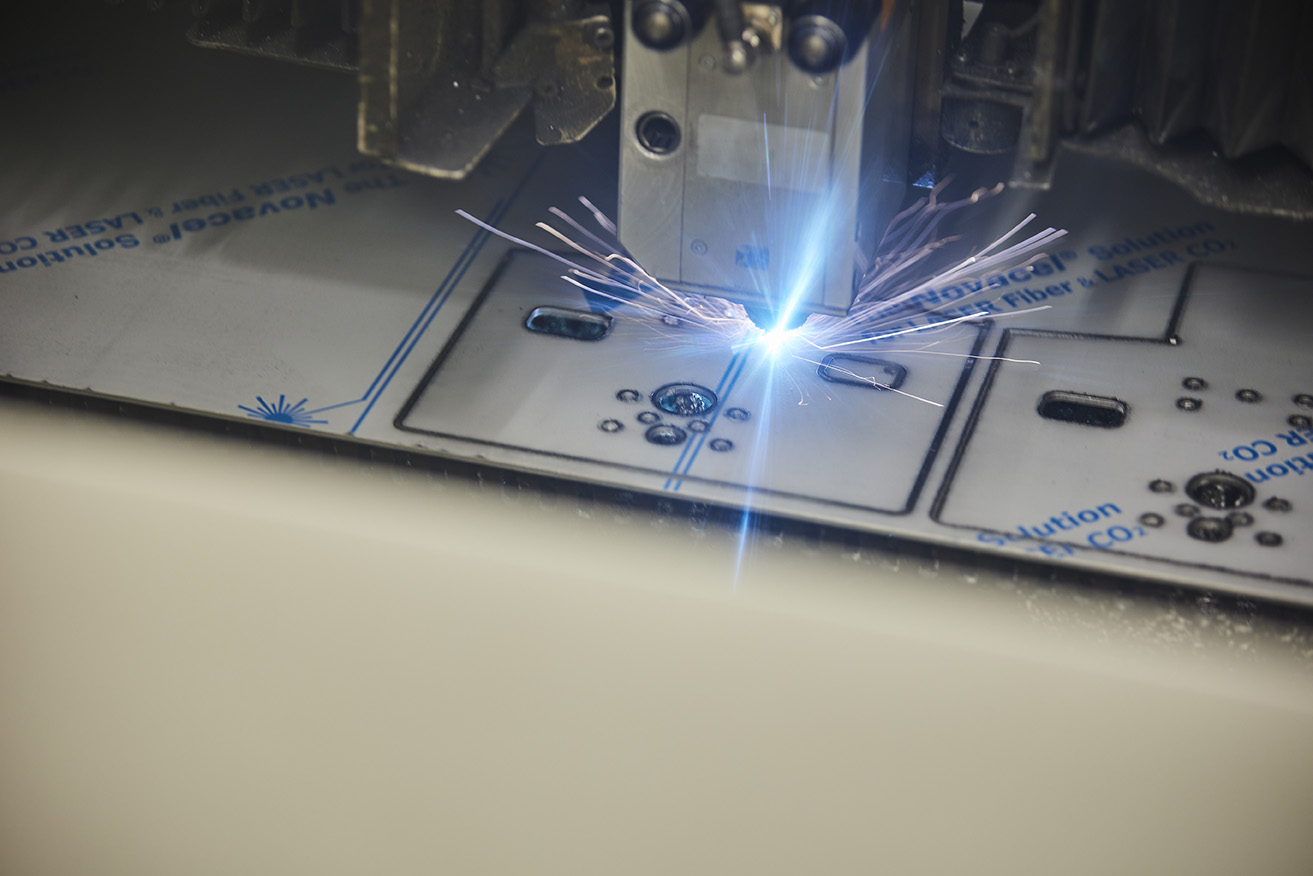
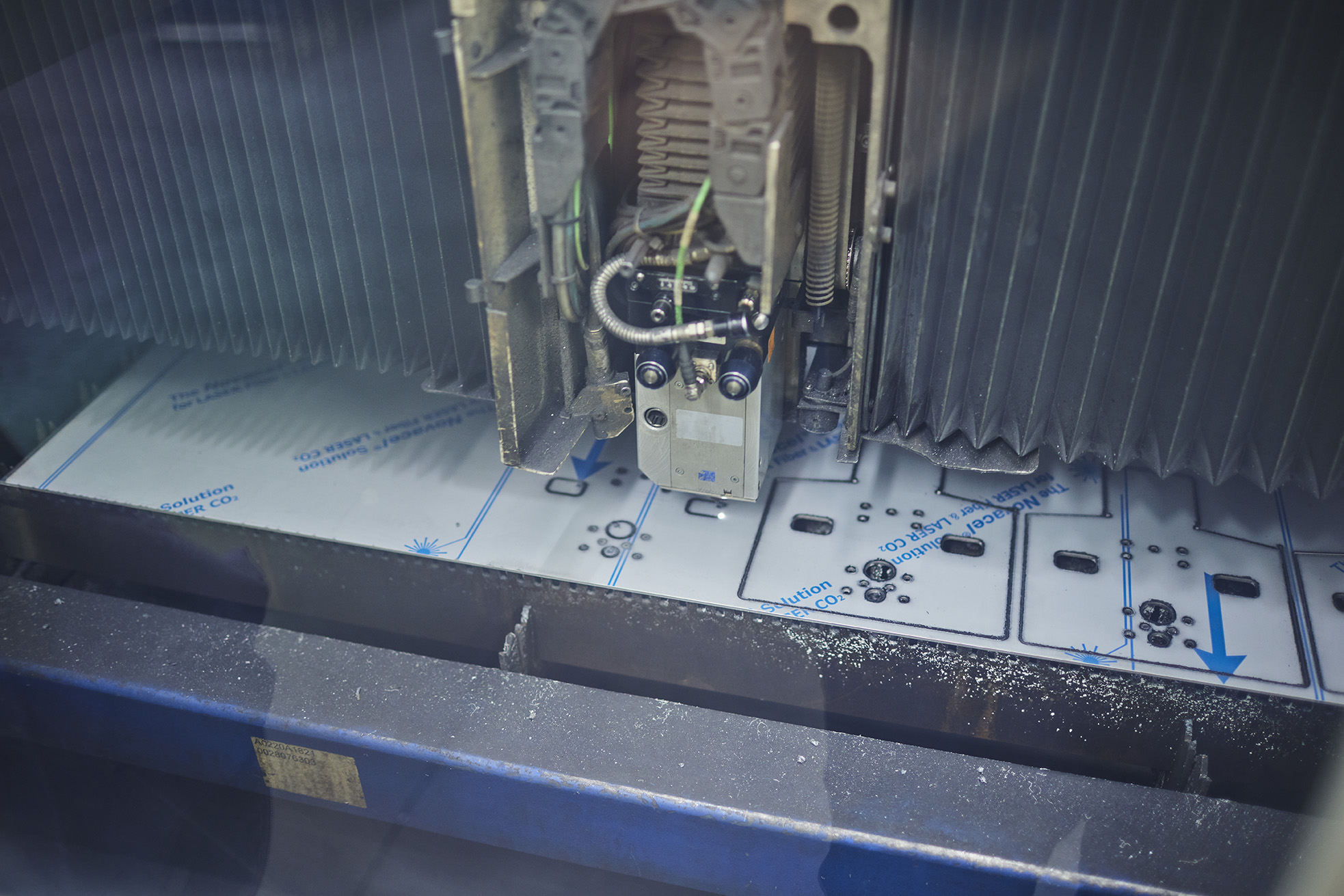
Laser cutting, bending, and welding in one production route

If cutting, bending, and welding are handled by different parties, every transfer brings waiting time, transport, and a new interpretation of the same drawing. The control over planning and quality then remains with you, and the lead time of the entire assembly is determined by the slowest link.

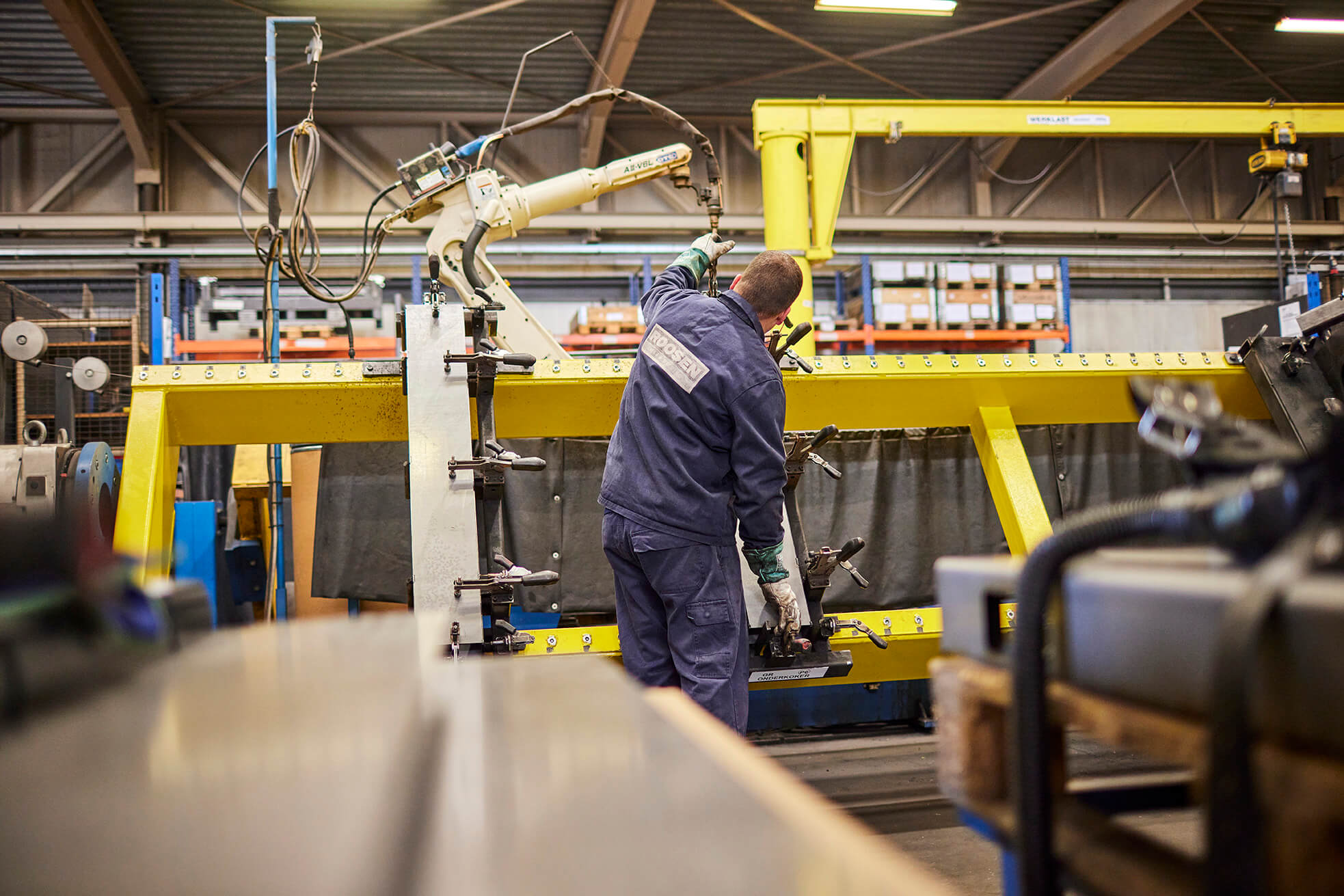
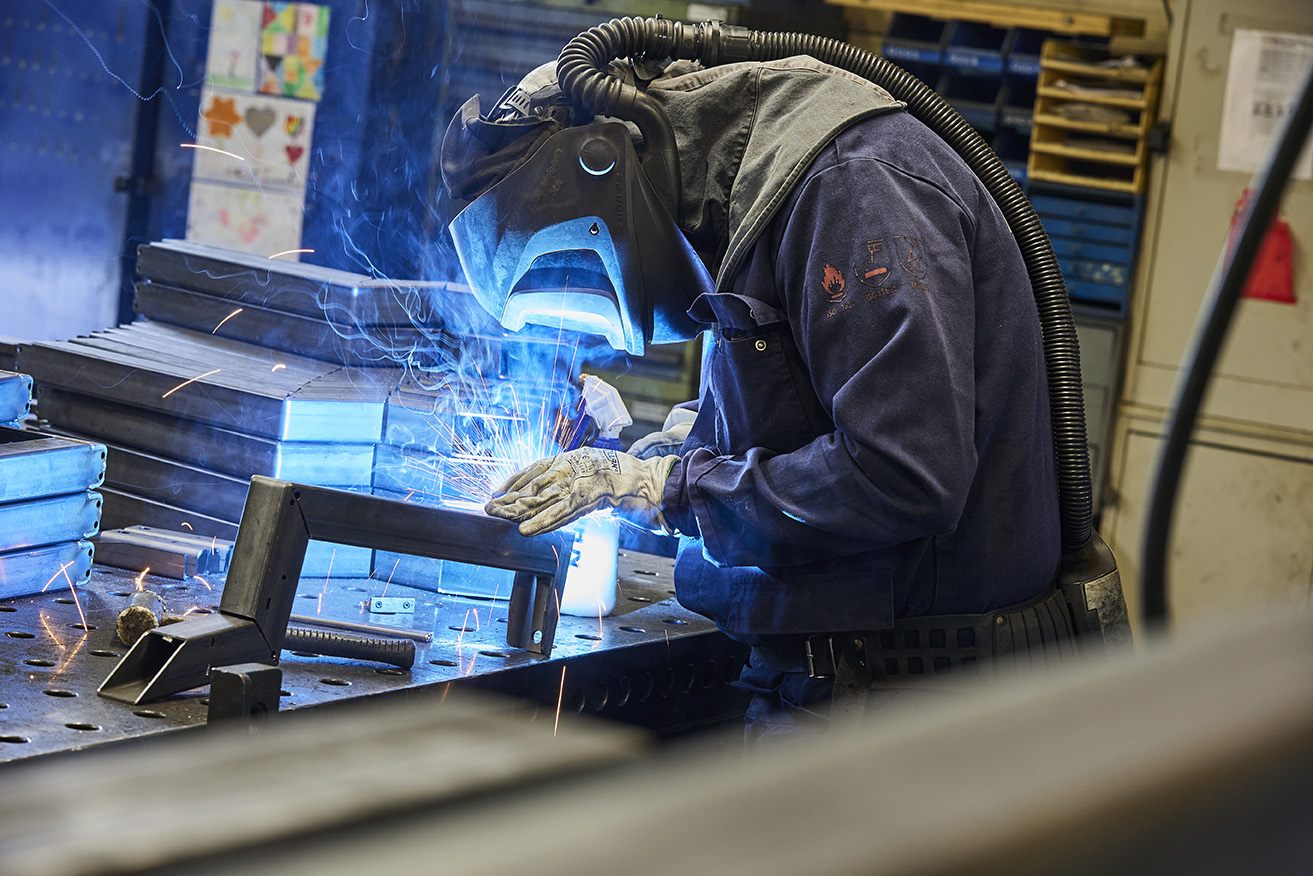
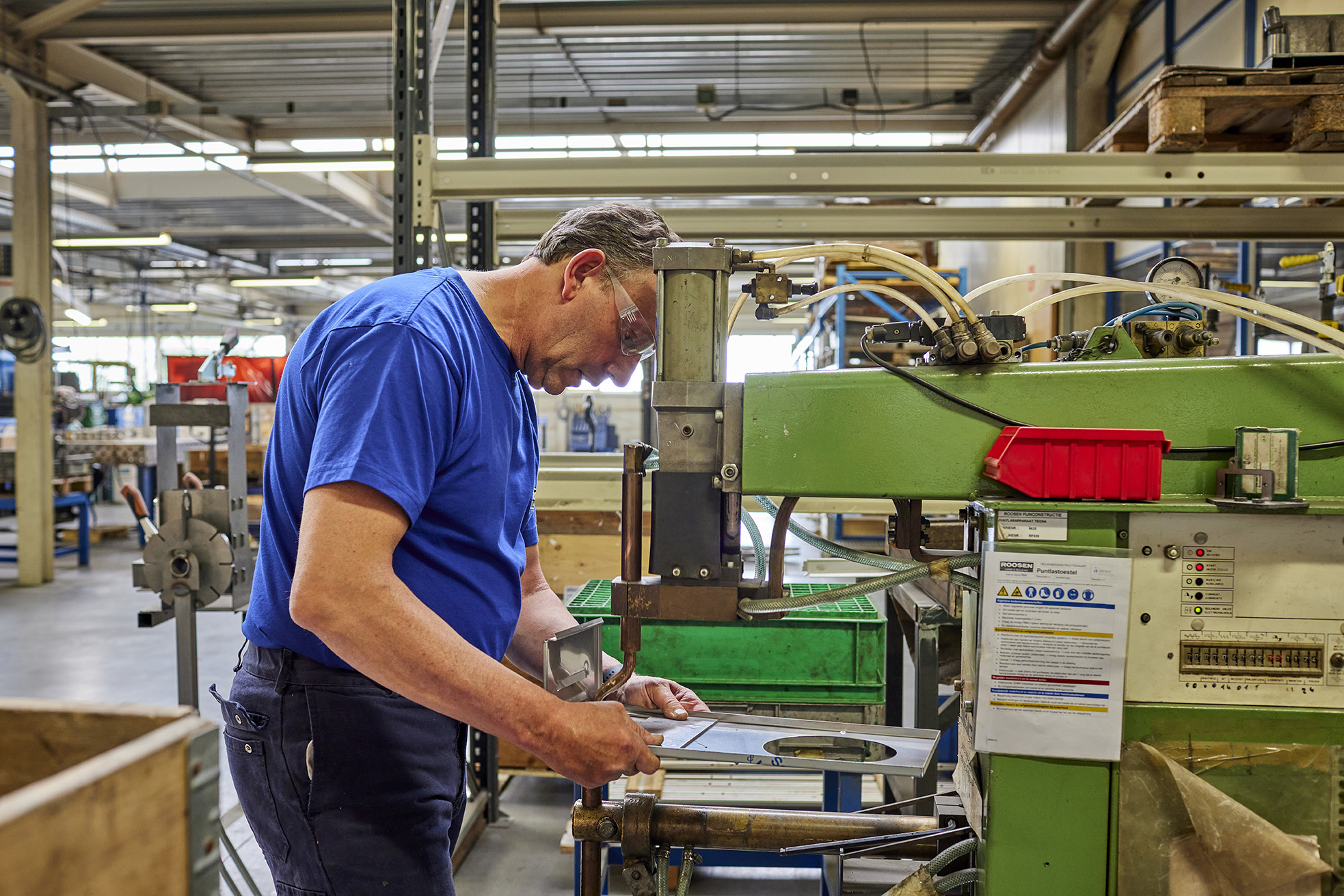
In Belgium, laser cutting, bending, and welding are performed within a single company. As a result, the flat pattern, bending, and welding jig align perfectly, and the planning remains in one hand. Welding is largely robotized. A welding robot follows a fixed program and therefore requires bent parts that fall within the same dimensions for every series. This is precisely where the coordination between bending and welding makes the difference.

  • one company for cutting, bending, and welding
  • shorter lead times due to fewer transfers
  • robotic welding with five welding robots
  • steel, aluminum, and stainless steel
  • surface treatment via external partners, managed by Roosen
Beyond sheet metal

From bent part to integrated assembly

If your product consists of sheet metal, machined parts, and mechatronics, you quickly find yourself managing multiple suppliers, each with their own planning and their own responsibility for the connections. A frame that turns out slightly differently only becomes visible during final assembly.

Roosen Industries connects sheet metal in Belgium with machining in the Netherlands and India, and with mechatronic assembly and testing in the Netherlands. Machined parts from Roosen India—the group’s top-performing unit for quality and delivery reliability—can thus be combined with bent and welded sheet metal in a single assembly. You work with one point of contact, regardless of how many expertises and countries your product passes through.

  • sheet metal and welding in Belgium
  • CNC turning and milling in the Netherlands and India
  • mechatronic assembly and testing in the Netherlands
  • one point of contact and final responsibility

From drawing to series

One controlled route to stable serial bending

Verify product information

We check drawings, material, sheet thicknesses, and tolerances for completeness and assess bendability and weldability with our engineers.
Result: A manufacturable and unambiguous drawing package.

Determine production route

We establish the steps the part will go through, from laser cutting and bending to welding, surface treatment, and any subsequent steps within the group.
Result: One route where every step connects to the next.

Produce prototype or pre-series

With a prototype or pre-series, we test the part and process in practice, including the fit in the weldment.
Result: An approved reference for the series.

Start series and scale up

After approval, the series starts according to the agreed quantities and delivery schedules. With growing volumes, we expand capacity within the same route.
Result: Bending work that can scale up stably.

Clear agreements

Who provides what and who is responsible for what

You provide

  • drawings and specifications
  • material and quality requirements
  • critical dimensions and functional requirements
  • expected volumes and purchase pattern
  • requirements for surface treatment, reporting, and packaging

Roosen handles

  • assessment of manufacturability and support with drafting
  • flat pattern and production preparation
  • laser cutting, bending, and welding
  • coordination of surface treatment
  • prototype, approval, and series production
  • capacity planning over the duration of the series
You remain the owner of the design and functional requirements. We establish the exact scope per product. If the sheet metal is part of a larger system, Roosen can also handle the machining and mechatronic assembly.

Clarity first on requirements, process, and results

The determining factor is whether the demand is recurring, not the size of a single order. The bending process is set up for recurring series, typically from one hundred units to several thousand per year. Single pieces and small, one-off orders are less suited to this setup.

That depends on the role of the part in your product. Standalone bending does occur, but production is geared towards bending that is part of a weldment. That is also where the most value is added, as cutting, bending, and welding are then coordinated with each other.

Steel, aluminum, and stainless steel. Whether a material is suitable in the requested sheet thickness is assessed per product. If the bent parts are subsequently welded, we process stainless steel separately from steel during welding.

That depends on the combination of length, sheet thickness, and material. With six press brakes in various sizes, both smaller sheet metal parts and larger components for frames and structures can be taken into production. We assess suitability per product.

The determining factor is how much of the design is already fixed. Roosen can support the drafting work and evaluates manufacturability with its own engineers before production preparation starts. This ensures that bending sequence and weldability are already incorporated into the design.

That depends on the treatment your product requires. Roosen includes the surface treatment in the production route via one of our fixed external partners, aligns it with the planning, and manages the process until delivery.

The determining factor is how predictable the extra demand is. Because cutting, bending, and welding are set up for serial production within one company, capacity can be expanded within the same route. An increase that is known in advance is easiest to plan.

That depends on the next step your part goes through. Bent parts are typically welded into an assembly. This can then be incorporated into a mechatronic assembly in the Netherlands, potentially supplemented with machined parts from the Netherlands or India.

Submit your bending challenge to us

Which sheet metal needs to be bent stably in series?

CTA

What challenges are you facing?

Prefer to discuss your requirements directly? Call us at +31(0)497 517 171.